
Pancreas Surgery: Specialized Care for Complex Pancreatic Conditions
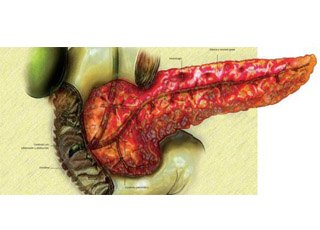
Pancreas surgery is performed to treat serious conditions affecting the pancreas, an organ essential for digestion and blood sugar control. Because of the pancreas’s deep location and close connection to major blood vessels and organs, pancreatic surgery requires a high level of expertise, precision, and advanced surgical techniques.
Causes and Conditions Requiring Pancreas Surgery
Pancreatic surgery may be recommended for:
- Pancreatic cancer
- Pancreatic cysts and tumors
- Chronic pancreatitis
- Neuroendocrine tumors of the pancreas
- Blockage of pancreatic ducts
- Traumatic pancreatic injuries
These conditions may develop due to long-term inflammation, genetic factors, lifestyle habits such as smoking and alcohol use, or delayed diagnosis.
Common Symptoms
Patients with pancreatic conditions may experience:
- Persistent upper abdominal pain radiating to the back
- Unexplained weight loss and poor appetite
- Jaundice (yellowing of skin and eyes)
- Digestive problems, nausea, or vomiting
- Fatigue and weakness
- New-onset or worsening diabetes
Early evaluation is critical for timely and effective treatment.
Treatment Options in Pancreas Surgery
The type of pancreas surgery depends on the condition, size, and location of the disease. Common procedures include partial removal of the pancreas or removal of the pancreatic head, body, or tail.
Advanced Surgical Approaches Include:
- Laparoscopic pancreas surgery
- Robotic pancreas surgery
- Open surgery for highly complex cases
Benefits of minimally invasive pancreas surgery:
- Greater surgical precision
- Less blood loss
- Reduced post-operative pain
- Smaller scars
- Faster recovery and shorter hospital stay
Conclusion
Pancreas surgery is a complex but life-saving treatment for many pancreatic conditions. With advances in minimally invasive techniques, outcomes and recovery have significantly improved. Under the expert care of Dr. Arvind Manoharam, patients benefit from advanced surgical expertise, modern technology, and compassionate care leading to safer procedures and better quality of life.
With access to