

Gallstones: Causes, Symptoms, and Advanced Treatment
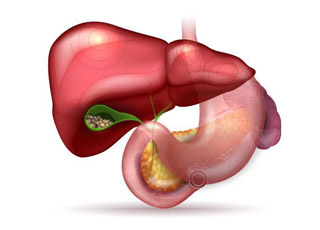
Gallstones are hardened deposits of digestive fluid that form in the gallbladder—a small organ located below the liver that helps in fat digestion. Gallstones can vary in size and number and may remain silent or cause significant discomfort and complications if left untreated.
Causes and Risk Factors
Gallstones develop when bile contains too much cholesterol or bilirubin, or when the gallbladder does not empty properly. Common risk factors include:
- Obesity or rapid weight loss
- High-fat, low-fiber diet
- Female gender and pregnancy
- Age above 40 years
- Diabetes
- Family history of gallstones
- Prolonged fasting or crash dieting
Common Symptoms
Many people with gallstones may not have symptoms. When symptoms occur, they may include:
- Sudden pain in the upper right abdomen
- Pain radiating to the back or right shoulder
- Nausea and vomiting
- Indigestion, bloating, or acidity after meals
- Fever or chills (in case of infection)
- Jaundice if a stone blocks the bile duct
Severe or recurring pain requires prompt medical attention.
Diagnosis and Treatment Options
Gallstones are commonly diagnosed using ultrasound and blood tests. Treatment depends on the severity of symptoms and complications.
Treatment Options Include:
- Laparoscopic gallbladder removal (cholecystectomy) – the most effective and permanent treatment
- Medical management for mild or asymptomatic cases
- Endoscopic procedures if stones block the bile duct
Benefits of laparoscopic surgery:
- Small incisions and minimal scarring
- Less pain and faster recovery
- Short hospital stay
- Quick return to normal activities
Conclusion
Gallstones are common but can lead to serious complications if untreated. Early diagnosis and expert laparoscopic surgery offer safe and effective relief. Under the care of Dr. Arvind Manoharam, patients receive advanced gallstone treatment with minimal discomfort, faster recovery, and lasting results.
With access to