

Intestinal Cancer: Early Detection and Advanced Treatment
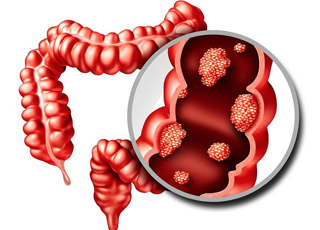
Intestinal cancer refers to cancer that develops in the small intestine or large intestine (colon and rectum). These cancers often begin as small, benign growths and gradually progress if left untreated. Early diagnosis and expert surgical care significantly improve treatment outcomes and survival rates.
Causes and Risk Factors
Intestinal cancer can develop due to a combination of lifestyle, medical, and genetic factors, including:
- Family history of intestinal or colorectal cancer
- Intestinal polyps
- Inflammatory bowel diseases (Crohn’s disease, ulcerative colitis)
- Diet high in red or processed meats
- Low fiber intake
- Obesity and lack of physical activity
- Smoking and excessive alcohol consumption
- Increasing age
Common Symptoms
Symptoms may be mild in early stages and become more noticeable as the disease progresses:
- Persistent changes in bowel habits (diarrhea or constipation)
- Blood in stools or dark-colored stools
- Abdominal pain, cramping, or bloating
- Unexplained weight loss
- Fatigue and weakness (often due to anemia)
- Feeling of incomplete bowel emptying
- Intestinal obstruction in advanced cases
Any persistent bowel-related symptoms should be evaluated promptly.
Diagnosis and Treatment Options
Diagnosis involves colonoscopy or enteroscopy, biopsy, CT scan, MRI, and other imaging studies to determine the extent of the disease.
Treatment Options Include:
- Surgical removal of the affected intestinal segment
- Laparoscopic or robotic intestinal cancer surgery
- Chemotherapy and radiation therapy (depending on type and stage)
- Targeted therapy and immunotherapy in selected cases
Minimally invasive surgery helps reduce pain, complications, and recovery time.
Conclusion
Intestinal cancer is highly treatable when detected early. With modern minimally invasive surgical techniques and comprehensive cancer care, recovery and survival rates have significantly improved. Under the expert care of Dr. Arvind Manoharam, patients receive advanced, safe, and personalized intestinal cancer treatment—designed to restore health and quality of life.

With access to