

Stomach Cancer: Symptoms, Causes, and Advanced Treatment
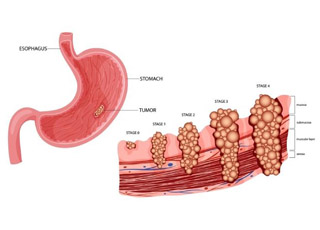
Stomach cancer, also called gastric cancer, develops when abnormal cells grow uncontrollably in the stomach lining. It often progresses silently in the early stages, which is why timely diagnosis and specialist care are crucial for successful treatment and long-term survival.
Causes and Risk Factors
Stomach cancer may develop due to long-term irritation and damage to the stomach lining. Common causes and risk factors include:
- Helicobacter pylori (H. pylori) infection
- Chronic gastritis or stomach ulcers
- Smoking and tobacco use
- Excessive alcohol consumption
- Diet rich in salty, smoked, or processed foods
- Low intake of fruits and vegetables
- Family history of gastric cancer
- Increasing age
Common Symptoms
Early-stage stomach cancer may not show clear symptoms. As the disease advances, symptoms may include:
- Persistent indigestion or acidity
- Upper abdominal pain or discomfort
- Feeling full after eating small amounts
- Loss of appetite and unexplained weight loss
- Nausea or vomiting
- Black or blood-stained stools
- Fatigue and weakness due to anemia
Any ongoing digestive symptoms should be evaluated by a specialist.
Diagnosis and Treatment Options
Diagnosis is made through upper GI endoscopy, biopsy, CT scan, and other imaging tests to assess the stage and spread of cancer.
Treatment Options Include:
- Surgical removal of part or all of the stomach (gastrectomy)
- Laparoscopic and robotic stomach cancer surgery
- Chemotherapy (before or after surgery)
- Radiation therapy in selected cases
- Targeted therapy and immunotherapy
Minimally invasive techniques help reduce pain, complications, and recovery time.
Conclusion
Stomach cancer is a serious condition, but with early detection and expert management, effective treatment is possible. Modern minimally invasive surgery and comprehensive cancer care have greatly improved outcomes. Under the expert guidance of Dr. Arvind Manoharam, patients benefit from safe, advanced, and personalized stomach cancer treatment—focused on recovery and quality of life.
With access to