
Oesophageal Cancer: Early Diagnosis and Advanced Treatment
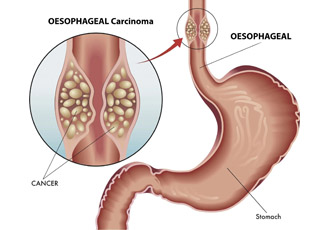
Oesophageal cancer develops in the oesophagus—the muscular tube that carries food from the mouth to the stomach. This condition can affect swallowing and nutrition and often progresses silently in its early stages. Early detection and expert surgical care are crucial for effective treatment and improved survival.
Causes and Risk Factors
Oesophageal cancer commonly develops due to long-standing irritation and damage to the oesophagus. Key causes and risk factors include:
- Chronic acid reflux (GERD)
- Barrett’s oesophagus
- Smoking and tobacco use
- Excessive alcohol consumption
- Obesity
- Poor dietary habits
- Increasing age
- Family history of gastrointestinal cancers
Common Symptoms
Symptoms may not be obvious in the early stages but can worsen as the disease progresses:
- Difficulty or pain while swallowing (dysphagia)
- Sensation of food getting stuck in the chest
- Unexplained weight loss
- Persistent heartburn or acid reflux
- Chest pain or discomfort
- Chronic cough or hoarseness
- Fatigue and weakness
Any persistent swallowing difficulty should be evaluated promptly.
Diagnosis and Treatment Options
Diagnosis involves upper GI endoscopy, biopsy, CT scan, PET scan, and endoscopic ultrasound to determine the stage and spread of cancer.
Treatment Options Include:
- Surgery (oesophagectomy)
- Laparoscopic or robotic oesophageal cancer surgery
- Chemotherapy and radiation therapy
- Combined multimodal treatment for advanced cases
Minimally invasive surgical techniques help reduce complications and speed up recovery.
Conclusion
Oesophageal cancer is a serious condition, but with early diagnosis and advanced treatment, successful outcomes are possible. Minimally invasive surgical techniques have transformed recovery and survival rates. Under the expert care of Dr. Arvind Manoharam, patients benefit from state-of-the-art oesophageal cancer treatment, personalized care, and continuous support throughout their treatment journey.
With access to